The Conversation That Changed How I Think About Impact
How a chance conversation helped turn decades of experience into a framework for building what lasts.
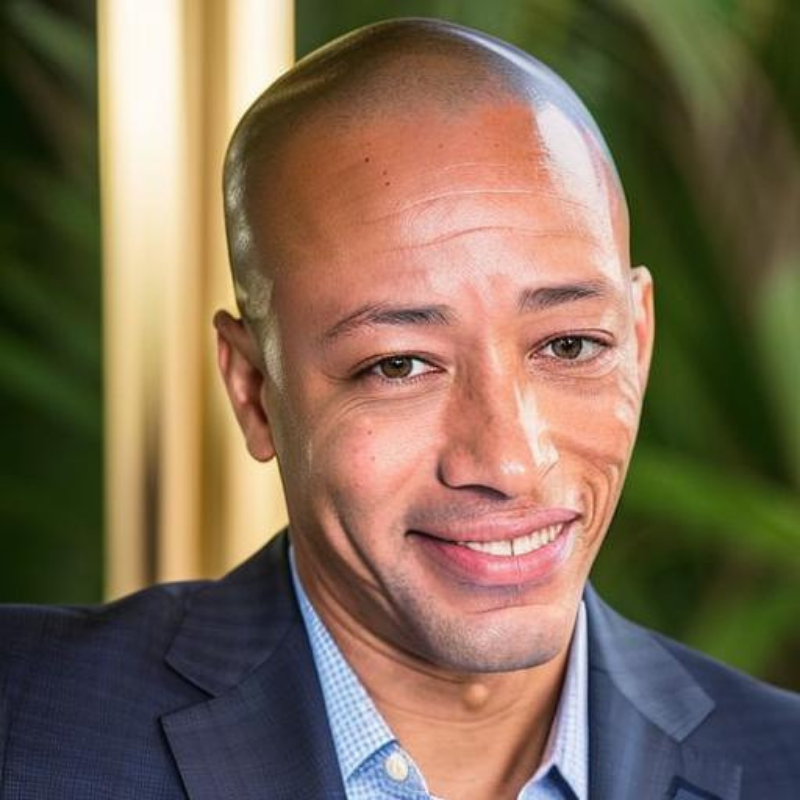
By Alain Leroy | Venture Architect
I didn't set out to write a book.
And I certainly didn't set out to create something called Venture Philanthropy Blueprint.
I was trying to answer a question that had followed me through much of my professional life:
How do we build businesses that make money helping people?
It's a deceptively simple question. One that sits at the intersection of entrepreneurship, investment, economic opportunity, and social impact.
For more than three decades, I've worked across technology, corporate transformation, consulting, and venture building. I've helped organizations develop systems, navigate change, and pursue growth. I've also experienced firsthand what it means to build something with limited resources, uncertain markets, and no guarantee of success.
Across those experiences, I kept noticing a pattern.
Promising ideas weren't necessarily failing because they lacked potential.
Often, they lacked the infrastructure to succeed.
That observation eventually became the foundation for something much bigger.
A Conversation That Stayed With Me
In early 2025, I was having a conversation with a fellow investor in a $15.8 million seed fund.
I was discussing my interest in building a different kind of entrepreneurial ecosystem—one that brought together capital, practical operating support, and a community committed to helping businesses grow.
During the conversation, she asked whether I was familiar with the General Partner of another fund. I said I wasn't.
Then she made an observation that caught me off guard:
"Alain, you're not an innovation philanthropist—you're a venture philanthropist."
I had heard the term before, but I hadn't spent much time thinking about what it actually meant.
That conversation stayed with me.
Not because someone had given me a new label, but because the phrase seemed to connect ideas and experiences I'd been wrestling with for years.
I started researching venture philanthropy.
What I found was interesting. But something was missing.
From a Phrase to a Framework
Venture philanthropy wasn't a new concept.
It generally described an approach to social investment that borrowed practices from venture capital, including long-term engagement, organizational support, and a focus on measurable outcomes.
But as I explored the existing models, I kept returning to a practical question:
Where is the operating system that helps promising ventures actually build, execute, and scale?
There were funding models. Advisory programs. Accelerators, incubators, and networks.
Many were doing valuable work.
But too often, founders had to navigate these resources independently while simultaneously trying to build their businesses.
I wanted to explore a more integrated approach.
One that connected financial resources, organizational capability, and the relationships that create opportunity.
That thinking eventually became Capital + Capacity + Community, the foundation of Venture Philanthropy Blueprint.
The concept was taking shape.
But the thinking behind it had started long before that conversation.
The Work Started Long Before the Name
My career began in technology, building systems during a period when the internet was transforming how businesses operated.
I learned how to translate ideas into applications, processes, and infrastructure that organizations could depend on.
Later, working in corporate strategy and transformation, I saw how large institutions approached growth, innovation, and execution.
I learned that even organizations with substantial resources could struggle when strategy, systems, and people weren't aligned.
Then came the experience of building ventures myself.
That changed my perspective.
It's one thing to advise an organization on what it should do. It's another to be responsible for making something work when resources are constrained, the path isn't clear, and every decision matters.
I learned systems. I transformed organizations. I built ventures. And I experienced the challenges of building firsthand.
Eventually, those paths converged.
Today, I describe that work as venture architecture: designing and connecting the strategies, systems, resources, and relationships that help businesses create lasting economic and social value.
Venture Philanthropy Blueprint emerged from that same thinking.
Why This Became Personal
My interest in economic opportunity isn't purely professional.
My parents immigrated from Haiti in the 1960s. I grew up in Queens, New York, surrounded by families who understood the importance of hard work, education, entrepreneurship, and community.
I saw people with talent, ambition, and determination who didn't always have access to the resources or networks that could help them advance.
That experience shaped how I understood opportunity.
Years later, becoming a father in 2016 added another dimension.
I began thinking more deliberately about the world my daughter would inherit and the systems we were building for the generations that would follow.
The question became bigger than individual business success.
What are we actually leaving behind?
Not simply for our children, but for the next generation of builders, entrepreneurs, and changemakers.
I believe entrepreneurship can be one of the most powerful vehicles for expanding economic opportunity.
But only if we build ecosystems that make participation and success more accessible.
From an Idea to a Book
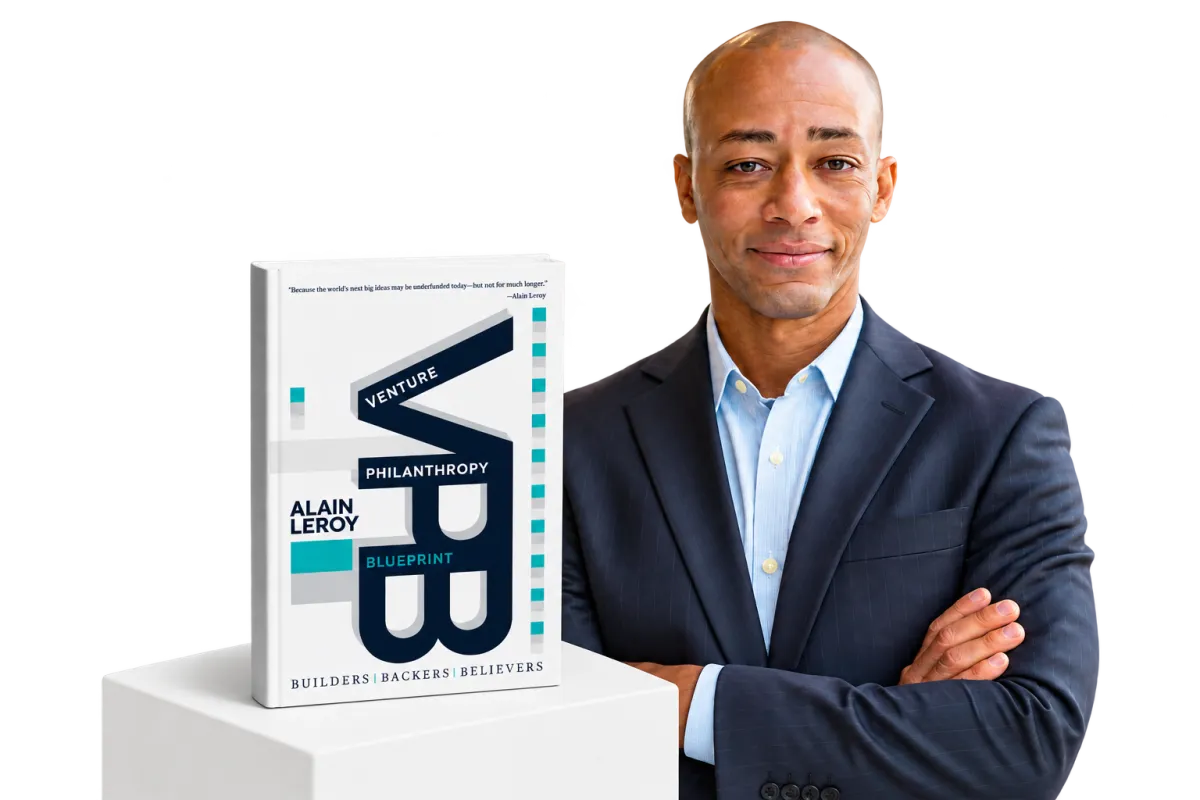
In February 2025, I began writing what would become Venture Philanthropy Blueprint: Builders. Backers. Believers.
The book was published in June 2026.
What began as an attempt to organize my thinking evolved into a framework for reimagining how we support people building businesses that create both economic and social value.
But the book was never intended to be the destination.
It was a way to articulate the ideas, challenge assumptions, and invite others into the conversation.
Because the real work happens beyond the pages.
It happens when founders build sustainable companies.
When investors look beyond financial capital.
When institutions rethink how they support entrepreneurship.
And when communities become active participants in creating opportunity.
That's the larger ambition behind Venture Philanthropy Blueprint.
Building What Lasts
Today, I see Venture Philanthropy Blueprint as one expression of a broader philosophy.
We need to move beyond celebrating promising ideas and become more intentional about building the systems that allow those ideas to succeed.
That means rethinking how we invest, how we develop founders, and how we connect resources.
It also means recognizing that economic value and social value don't have to be competing objectives.
They can be designed into the same business model.
The conversation that helped define Venture Philanthropy Blueprint gave a name to something I'd been working toward for years.
But the most important realization wasn't about venture philanthropy.
It was about the responsibility of building.
Ideas don't create lasting impact on their own. What we build around them determines what becomes possible.
And that's the work I'm committed to.
Building what lasts.
The Builder's Question
If we measured success not only by what we create today, but by what continues creating value after we're gone, what would we build differently?
Continue Exploring
Next: Why Most Impact Fails to Scale
Explore why promising initiatives struggle to grow—and why building capacity matters as much as providing capital.
Explore the Thinking Behind the Blueprint
What began with a conversation became a book—and a larger commitment to building businesses that create lasting economic and social value.
In Venture Philanthropy Blueprint: Builders. Backers. Believers., I explore the ideas, experiences, and framework that emerged from that journey.