Somebody Has to Build the Future
An open letter on opportunity, responsibility, and what we make possible for the next generation.
My mother saw a future for me that I couldn't yet see for myself.
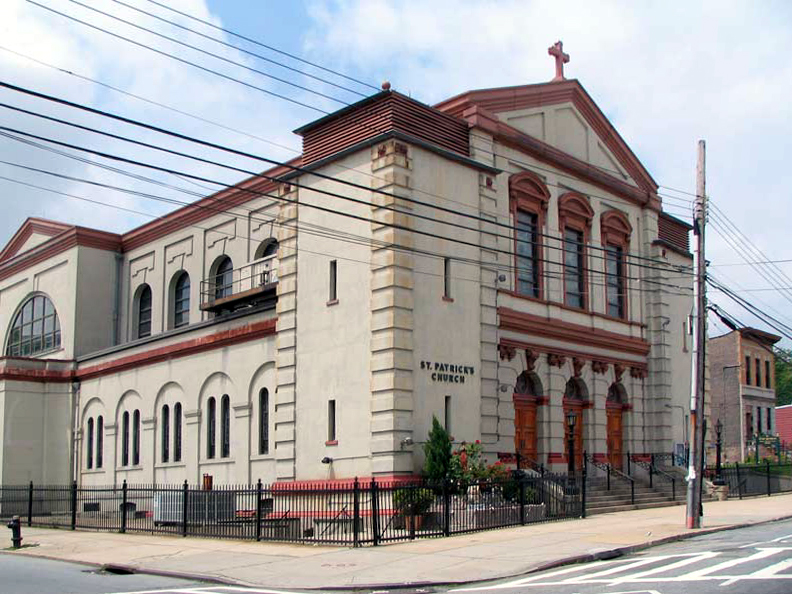
It was the 1980s. I was in fourth grade, attending a Catholic school in Queens, New York.
My mother was a nurse at Elmhurst Hospital. One afternoon, she left work to attend a parent-teacher conference at my school.
She came home with a flyer.
The school was offering computer programming classes.
To this day, I don't know how that little Catholic school had computers in the early 1980s. But my mother recognized something important.
She looked at me and said:
"This is the future. Do you want to try it?"
My sisters and I signed up.
I still remember sitting in that classroom, discovering that you could write instructions on a computer and create something that hadn't existed before.
I asked my teacher a question that would shape the rest of my life.
"What should I study if I want to do this when I grow up?"
"Computer science," he replied.
From that moment, I had a direction.
But looking back, what strikes me isn't the technology.
It's what my mother did.
She didn't need to understand computer programming. She didn't need to know where the technology was going.
She recognized an opportunity and made sure I had access to it.
And my parents had given me something equally important: the confidence to imagine a future beyond what I already knew.
Looking back, I realize that my mother gave me more than an introduction to technology. She gave me permission to imagine myself as someone who could help shape the future, rather than simply adapt to it.
That is what access can do. That is what belief can do. That is what happens when someone invests in another person's potential.
We Inherited Opportunities. What Will We Create?
My parents came to New York from Haiti.
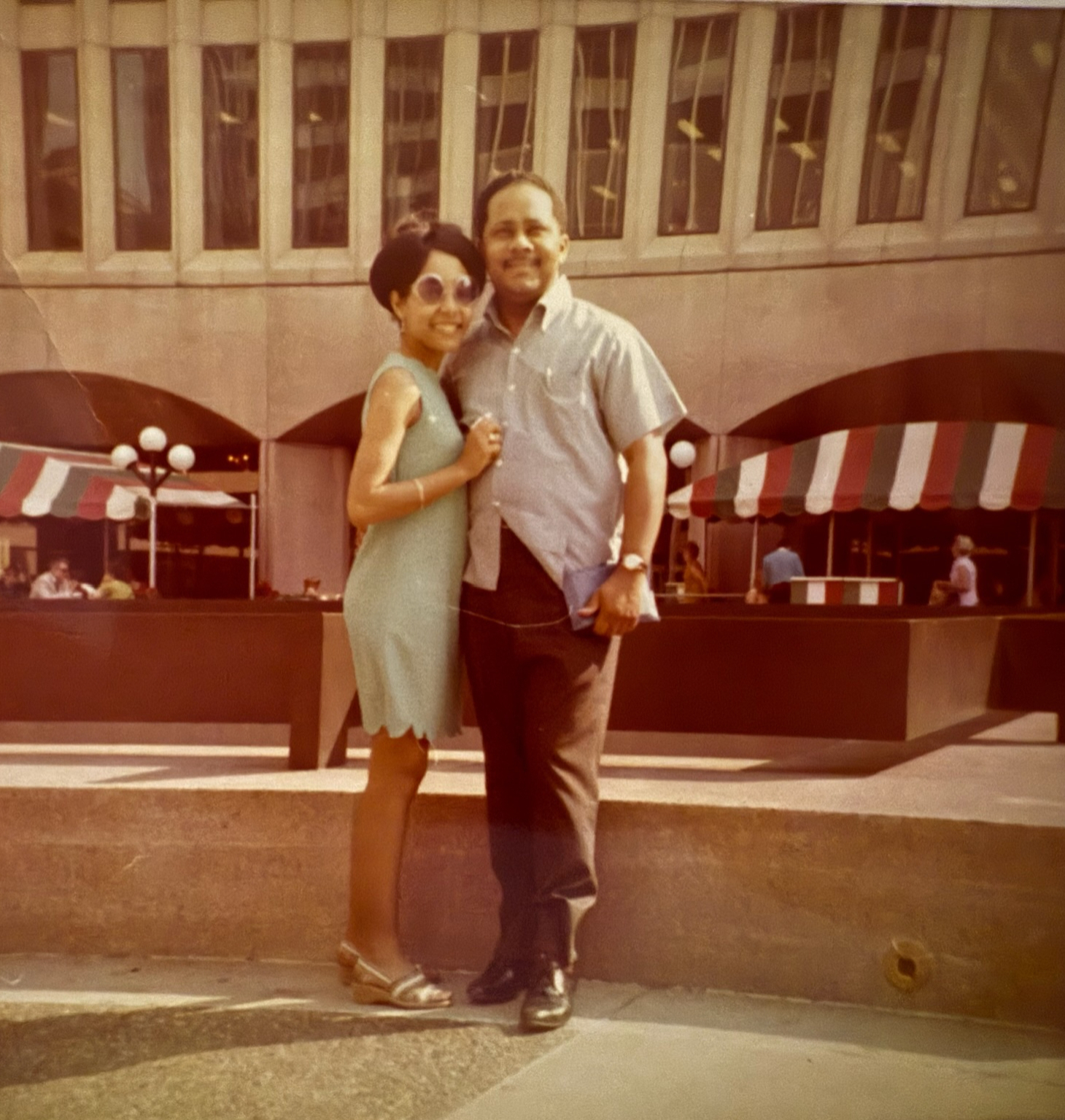
Like so many immigrant families, they worked, sacrificed, and invested in a future they hoped would be better for their children.
I grew up in Queens, surrounded by people who understood the importance of education, hard work, family, and community.
They didn't always have access to the resources or networks that could help them advance. But they understood something fundamental about opportunity.
You create it wherever you can, and you make sure the next generation has more of it.
Today, as a father, I find myself thinking about those same questions.
What kind of world will my daughter inherit?
What opportunities will exist for her generation?
And perhaps more importantly:
What will they have the freedom, confidence, and resources to build?
These questions extend far beyond my family or the Haitian diaspora.
They belong to every community trying to create a better future.
Someone Has to Build the Alternatives
We live in a world of extraordinary technological possibility and persistent economic inequality.
Artificial intelligence is transforming industries. Digital technologies are changing how we work, learn, and create value.
Yet access to opportunity remains deeply uneven.
We spend considerable time discussing what isn't working.
The systems that exclude people. The economic barriers that limit mobility. The institutions that struggle to adapt. The communities that have been underinvested in for generations.
Economic empowerment cannot depend entirely on gaining access to systems others have built. We also need the ability to create, own, and shape the businesses and institutions that determine how opportunity is distributed.
These conversations are necessary.
But they cannot be where the conversation ends.
Someone has to build the alternatives.
Someone has to build the businesses that solve problems.
The institutions that develop talent.
The technologies that expand access.
The systems that make economic participation possible for more people.
And those builders won't all look alike.
They may be entrepreneurs, students, artists, educators, technologists, community leaders, or professionals who decide that their next chapter should be about creating something meaningful.
What matters isn't where they begin.
It's what they choose to build, and who benefits from it.
The False Choice Between Purpose and Prosperity
We've often treated purpose and prosperity as separate ambitions. If your primary goal is social impact, you're encouraged to pursue philanthropy or establish a nonprofit. If your goal is financial success, you're encouraged to build a profitable business.
Both paths can create tremendous value. But what interests me is what becomes possible when we design businesses where financial success and positive social outcomes reinforce one another.
For too long, we've accepted a narrow definition of how economic and social value are created.
Purpose or prosperity.
Choose one.
But why?
Why should creating economic value and improving people's lives be treated as competing objectives?
What if we designed businesses whose very purpose was to solve meaningful problems?
Businesses that generate revenue because they create value for the people and communities they serve.
Businesses that make money helping people, then use that success to help even more people.
This is how I think about profit with purpose.
Not as something we do with the money after we've earned it.
But as something embedded in how the money is earned.
It is a different way of thinking about entrepreneurship, investment, and the role businesses can play in society.
And I believe it represents an extraordinary opportunity for the next generation of builders.
Capital Alone Won't Build the Future
This thinking led me to write Venture Philanthropy Blueprint: Builders. Backers. Believers.
The central premise is straightforward.
Promising ideas need more than funding to become sustainable ventures.
They need three interconnected foundations:
Capital + Capacity + Community.
Capital provides the financial resources to launch, operate, and grow.
Capacity provides the skills, systems, strategy, technology, and operational capabilities to execute.
Community provides the relationships, knowledge, trust, and collective support that help ventures overcome obstacles and discover opportunities.
For decades, much of our attention has centered on access to capital.
And capital remains essential.
But money alone doesn't build successful organizations.
People do.
Consider how much expertise already exists within our communities.
Someone understands marketing. Someone has experience in finance. Someone knows technology, operations, or sales. Someone has relationships that can open doors.
Some of these individuals may be looking for meaningful opportunities to contribute their knowledge and experience.
What if we became as intentional about mobilizing that capacity as we are about raising capital?
What if we organized our networks not simply around who we know, but around what we can build together?
And what if we combined that collective expertise with emerging technologies that make sophisticated business capabilities accessible to smaller teams?
Artificial intelligence presents an extraordinary opportunity to do exactly that.
But technology alone is not the answer.
Technology can amplify human capability. It cannot replace the trust, judgment, relationships, and shared commitment required to build something lasting.
Capacity is the new capital.
When we strengthen capacity and community, we don't eliminate the need for investment.
We create stronger ventures that are better positioned to attract capital, deploy it effectively, and sustain their impact.
Building What Lasts
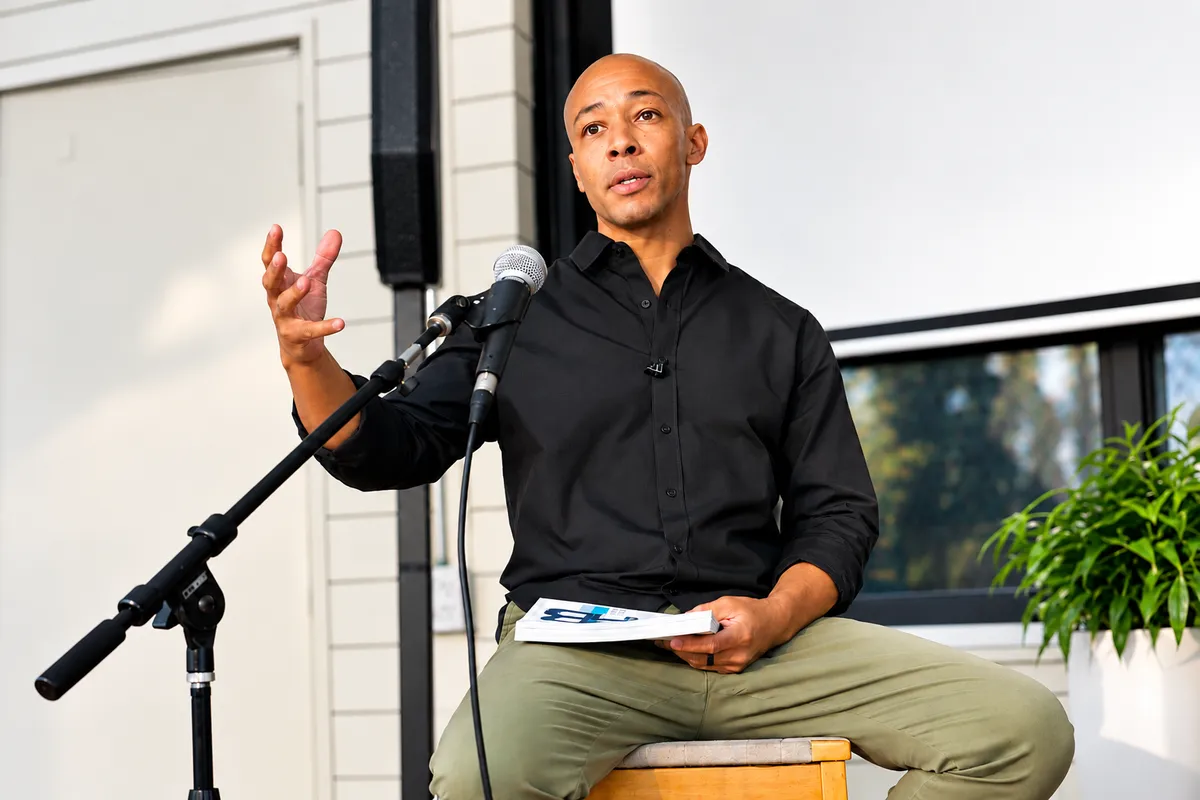
Recently, I had the opportunity to explore these ideas alongside fellow author Jacques-Philippe Piverger at An n Pale: Building What Lasts, a conversation hosted by Haiti Cultural Exchange in collaboration with The Haitian Roundtable.
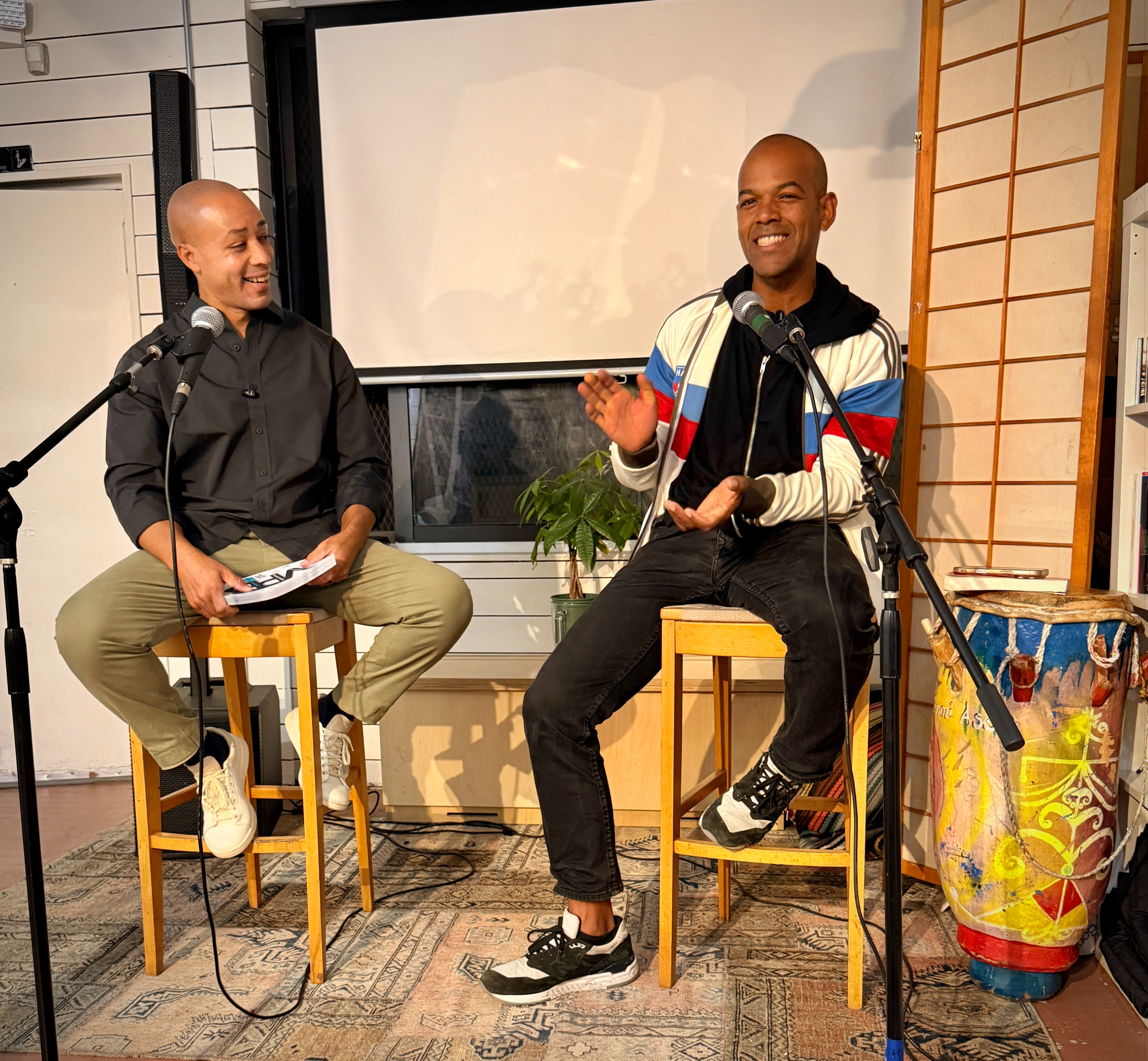
Jacques, through his book Inside Code, explores an essential question:
Who are you becoming?
My work asks a complementary question:
What are you building, and who will benefit from it?
I believe these questions belong together.
Because the future requires more than capable entrepreneurs.
It requires leaders who understand that their success can become a platform for creating opportunities for others.
Leaders who recognize that economic prosperity and social progress can reinforce one another.
Leaders who don't simply navigate existing systems, but have the imagination and courage to build better ones.
I think again about my mother.
She saw a future that I couldn't yet see.
She opened a door.
I walked through it.
Now, decades later, I think about my daughter and the millions of young people whose futures are still being shaped.
Some will build companies.
Some will create technologies.
Some will transform institutions.
Others will open doors for people they may never meet.
Our responsibility is not to decide what they should become.
It is to create the conditions that allow them to discover what is possible.
That is the work of building what lasts.
Not simply accumulating wealth, recognition, or achievements.
But creating opportunities that extend beyond our own lives.
The future isn't something we simply inherit.
Somebody has to build it.
And the question I leave with you is the same one I continue to ask myself:
What are you building, and who will benefit from it?
If these ideas resonate with you, I’d welcome the opportunity to connect. Visit: https://alainleroy.com/connect
ABOUT THE AUTHOR
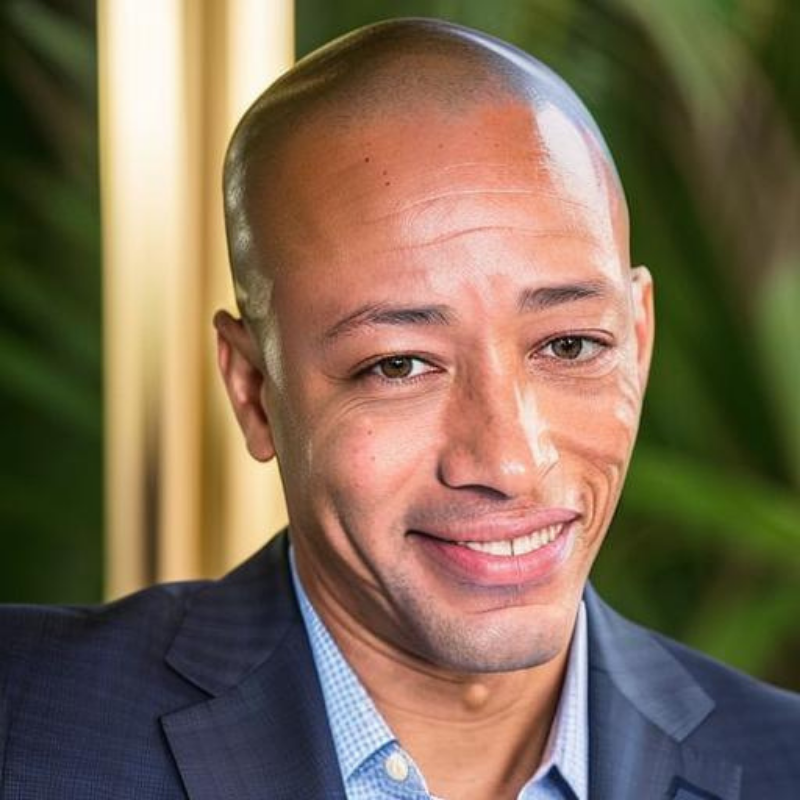
Alain Leroy is a Venture Architect and author of Venture Philanthropy Blueprint: Builders. Backers. Believers. He works with founders, investors, universities, and entrepreneurial ecosystems to build ventures that create sustainable economic and social value.